

Resources
Our entire team supports you to solve your challenges and ensure the success of your project. While recognizing that no project is unique, we have put our collective experience together to offer you the below electrical resources as a guide to help solve complex power system problems.

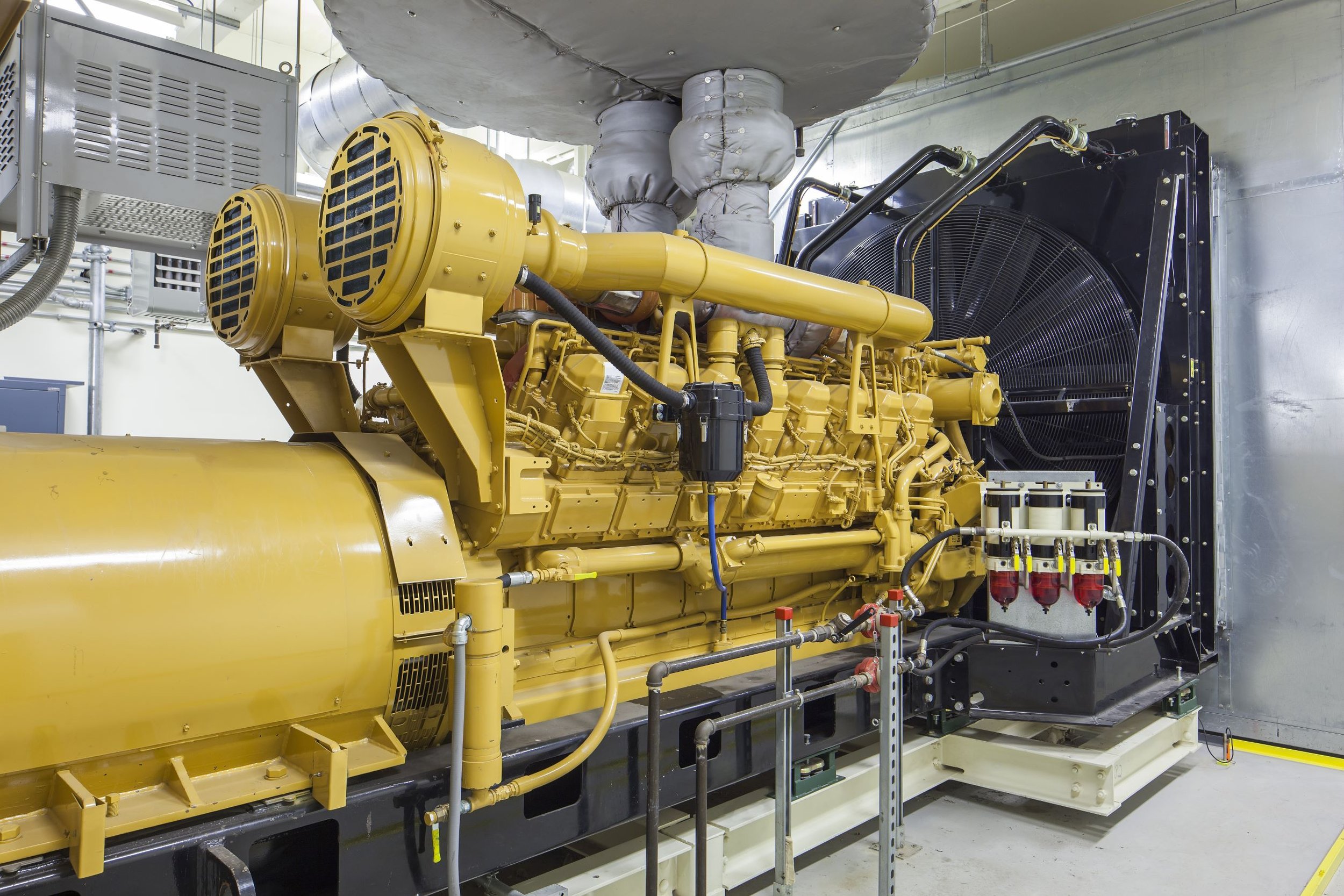
There are many benefits to using the latest protective relays available in the market. Fast communication and better system protection are two such examples. This article explores both concepts in relation to source synchronization for generator paralleling schemes. To meet the requirements for large-scale electrical distribution systems, multiple generators often need to be paralleled (operate in tandem). Hence, the synchronization of generator sources becomes a very important aspect when multiple generators are required to supply power to an electrical distribution system.

While AC system protection is well known and applied throughout the power system industry, there is also protection needed for complex DC equipment. This includes DC traction power systems associated with railway electrification. Below are some of the methods of protection that a Power System Engineer may often encounter in DC traction power.

This article explores the latest methods for fault detection that can be used to improve the reliability and safety of electrical systems. Electrical faults are caused by disturbances within a power system network and these disturbances can result in severe economic losses. What is an electrical fault? An electrical fault is an abnormal condition within an power distribution system that results in improper system voltages and current flows. A fault in an electrical system can lead to extended outages, equipment damage, fires, and personnel injuries.

NFPA 70E states that an Arc Flash Risk Assessment should be updated every five years or when significant electrical system changes occur. How important is this? Even if all equipment within your electrical distribution system has remained the same, it is still essential to perform an updated risk assessment based on possible changes undertaken outside of your system. This article explores the arc flash impacts to an electrical system based on changes performed by others (i.e. the utility company) — specifically pertaining to the available utility fault currents and/or the utility protection system.

Failure to protect personnel adequately against injury or death from an arc flash event can financially decimate a company. The failure to comply with the requirements and guidelines of the Occupational Safety and Health Administration (OSHA), National Electrical Code (NEC), and National Fire Protection Association (NFPA) 70E can cost you time and money through fines and unexpected downtime. In this article, we will be exploring one piece of data in Arc Flash Study models: cables, specifically the effect of length on the accuracy of incident energy calculations.
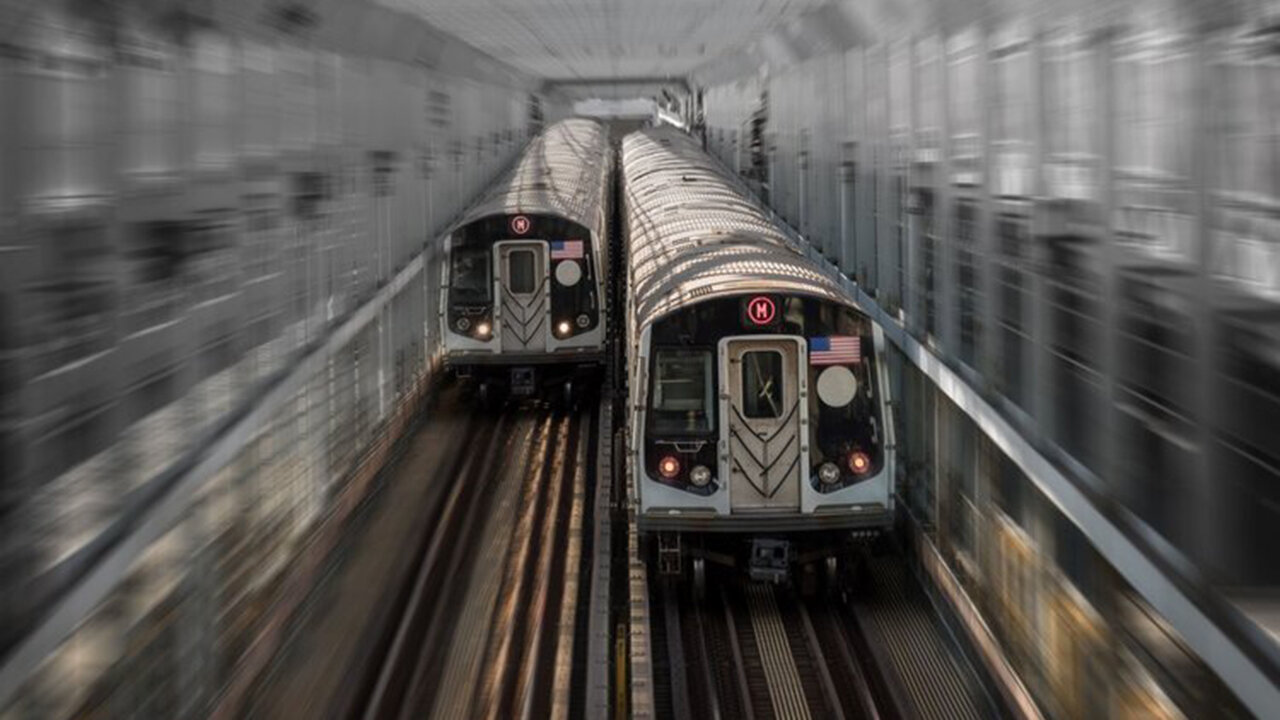

The failure to protect your employees against injury or death from Arc Flash can put you out of business. Failing to keep up with the latest Arc Flash safety standards and guidelines can cost you time and money. Electricity is recognized as a serious workplace hazard where OSHA regulations and NFPA 70E standards exist to protect personnel against arc flash and shock hazards.

An enhanced grounding scheme not only helps protect your people and your electrical equipment, as per the NEC, but it also helps maintain sequential tripping, ensure maximum service continuity during faults, and minimize nuisance tripping and disturbances. An enhanced grounding scheme contains system faults within a localized area of the electrical distribution system.

Most industrial and commercial facilities consume sizable amounts of electricity to fulfill their goals. These facilities are often equipped with a standby generator that is called into operation during an interruption of the incoming utility supply. However, when these facilities are equipped with a cogeneration system, specialized design and system protection aspects must be considered.

Properly established undervoltage protection (ANSI-127), time overcurrent protection (ANSI-151), instantaneous overcurrent protection (ANSI-150), and rate of rise overcurrent protection (ANSI-150RR) schemes can effectively protect a DC traction power system and allow reliable train operation.
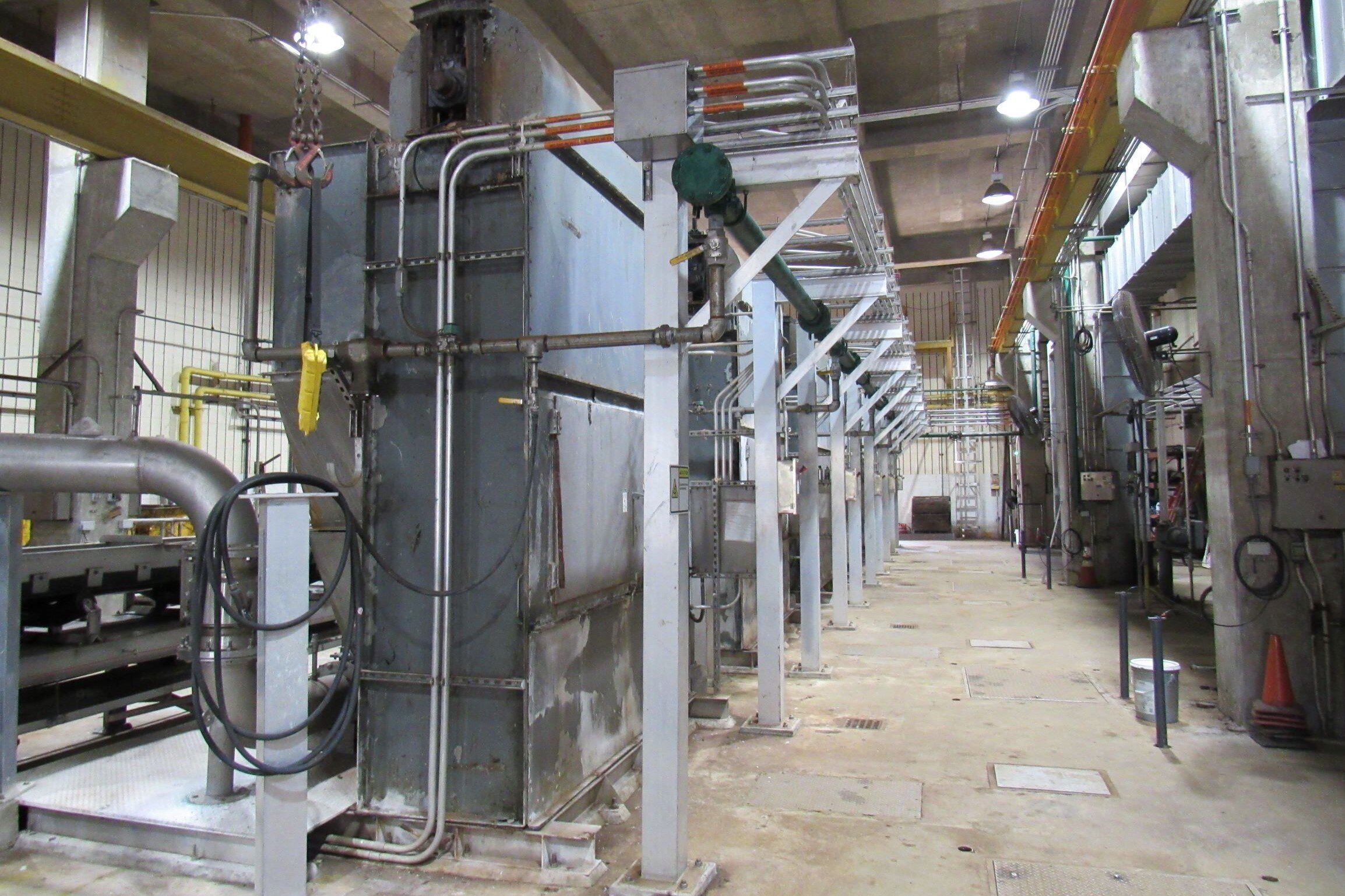
You’ve got three aspects to consider when building or upgrading your wastewater treatment facility: standards, equipment, and design. By focusing more time on the design, you can save money on construction because a proper design will permit less rigorous equipment.
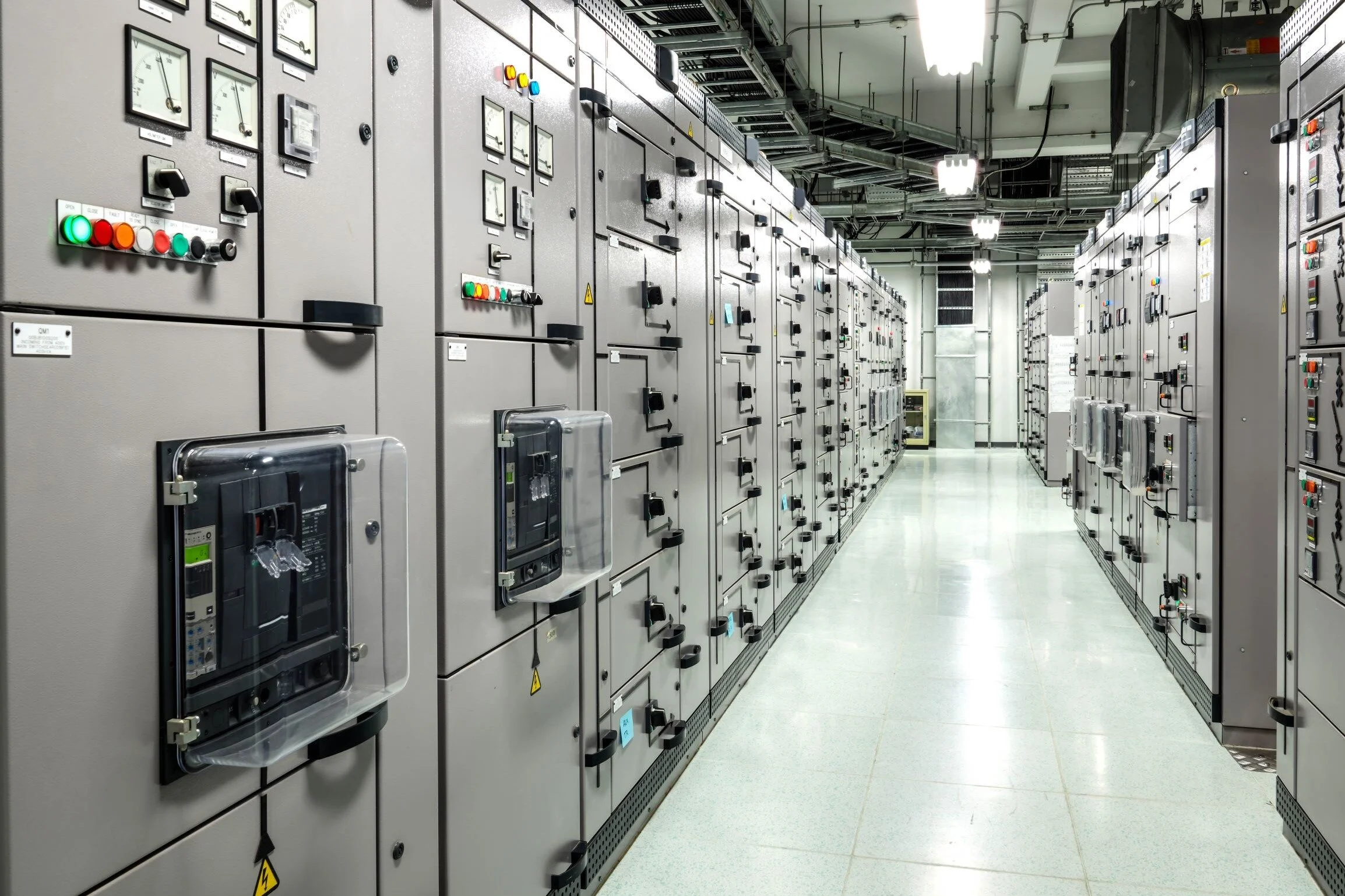
Your automobile is the perfect example of a system that will last longer with routine maintenance. Like your automobile, your electrical distribution system may let you down, just when you need it the most unless you take care of it. With a car, you know you need to take it in for periodic oil changes and tune-ups at designated intervals. Based on NETA testing and NFPA 70B guidelines, knowing when to perform periodic maintenance of the electrical system is now a no-brainer. But how often should you consider performing the equivalent of that 50K or 100K-mile “tune-up” for your electrical equipment? A good target to consider is every five years.
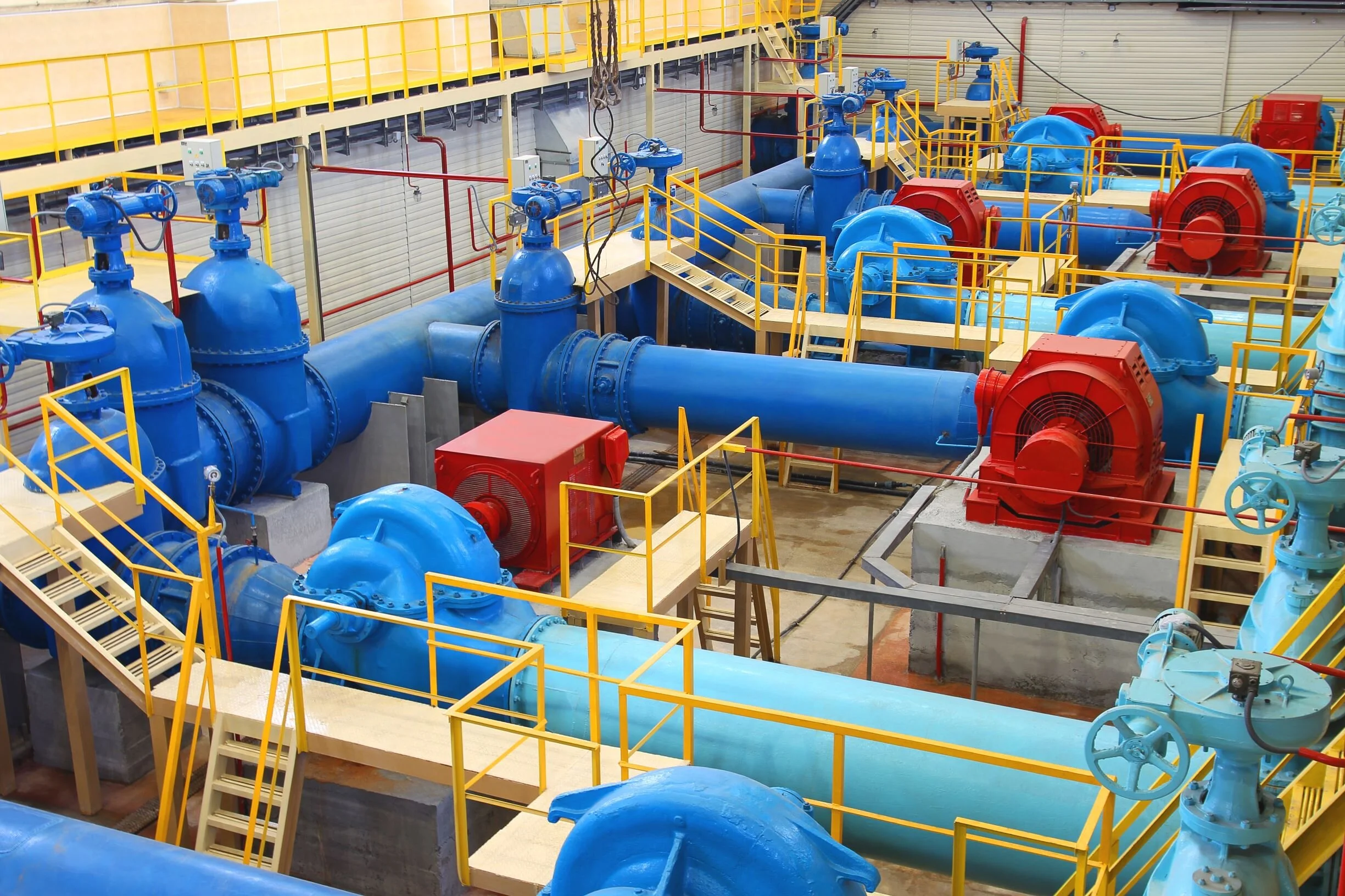
Water pumping and booster stations are used for pumping potable water from lower elevation areas to higher elevation areas of a distribution system. This energy expenditure is necessary to supply potable water required for homes, businesses, and industries. Water pumps depend on electricity to run, but water pumping stations also depend on specialized instrumentation and control schemes to manage the safety and reliability of the water distribution system.

A transformer is an essential component of any electrical system. A transformer transfers electricity from one circuit to another while adjusting the voltage level. Transformers are used in a wide array of applications including power transmission and distribution for electrical facilities. The operating principle of a transformer is based on Faraday’s Law of Electromagnetic Induction.
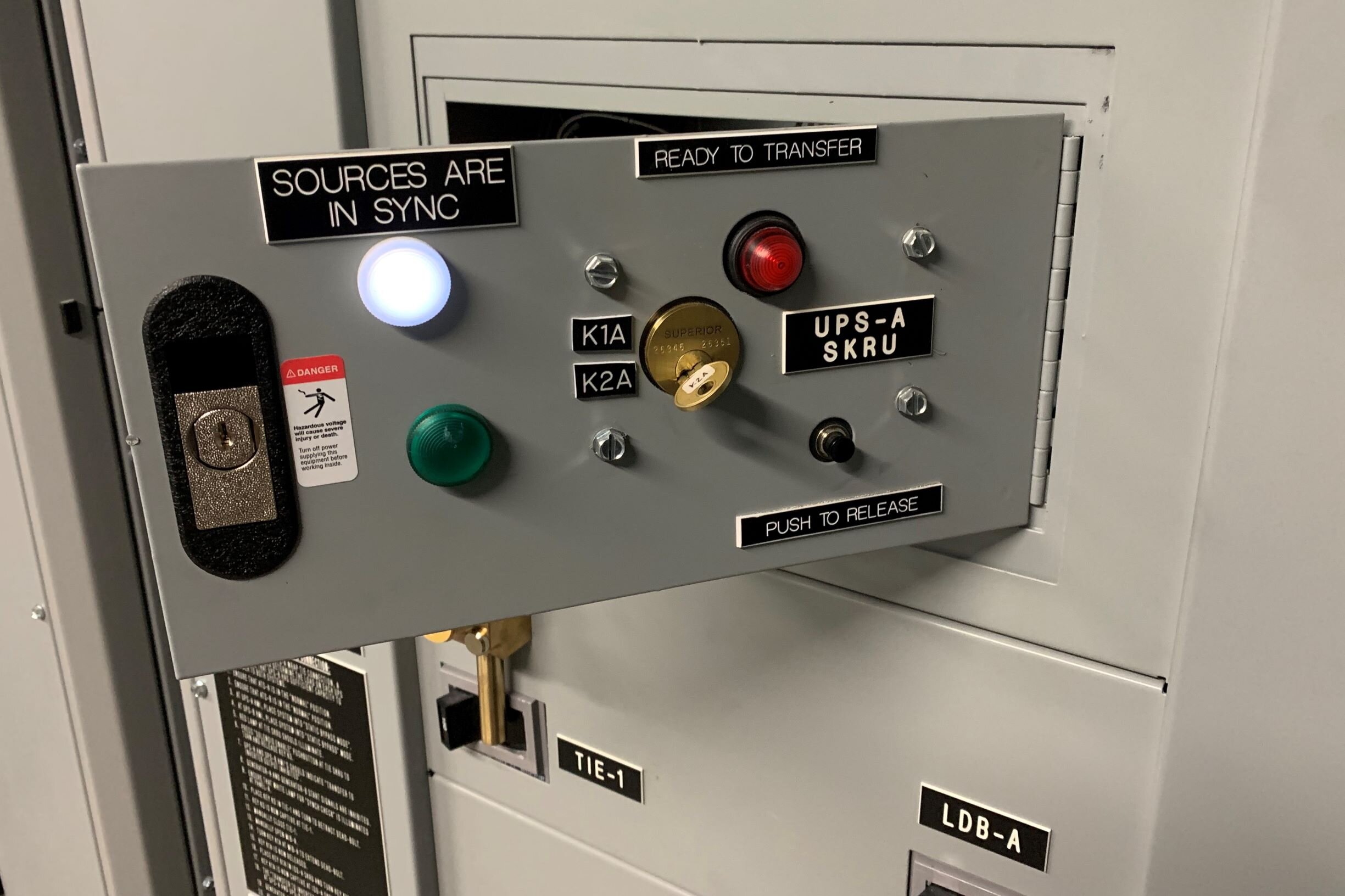
Improving safety and ensuring the continued operation of your electrical system will help fulfill the long-term mission of your facility. Protecting your employees and equipment from electrical damage is also in your long-term interest, and it can help reduce your insurance premiums. The key is to understand how safety interlocking plays an important role.

Historically, electrical engineers have had only two choices when it came to specifying power circuit breakers: oil-filled or air. Today, with established technologies for insulating and interrupting methods, the application of circuit breakers is sometimes an afterthought. Although 2kV-38kV class of AC air circuit breakers has virtually disappeared from the scene, they still have a prominent place in the 250V-2000V class of equipment, particularly in AC and DC traction power systems.
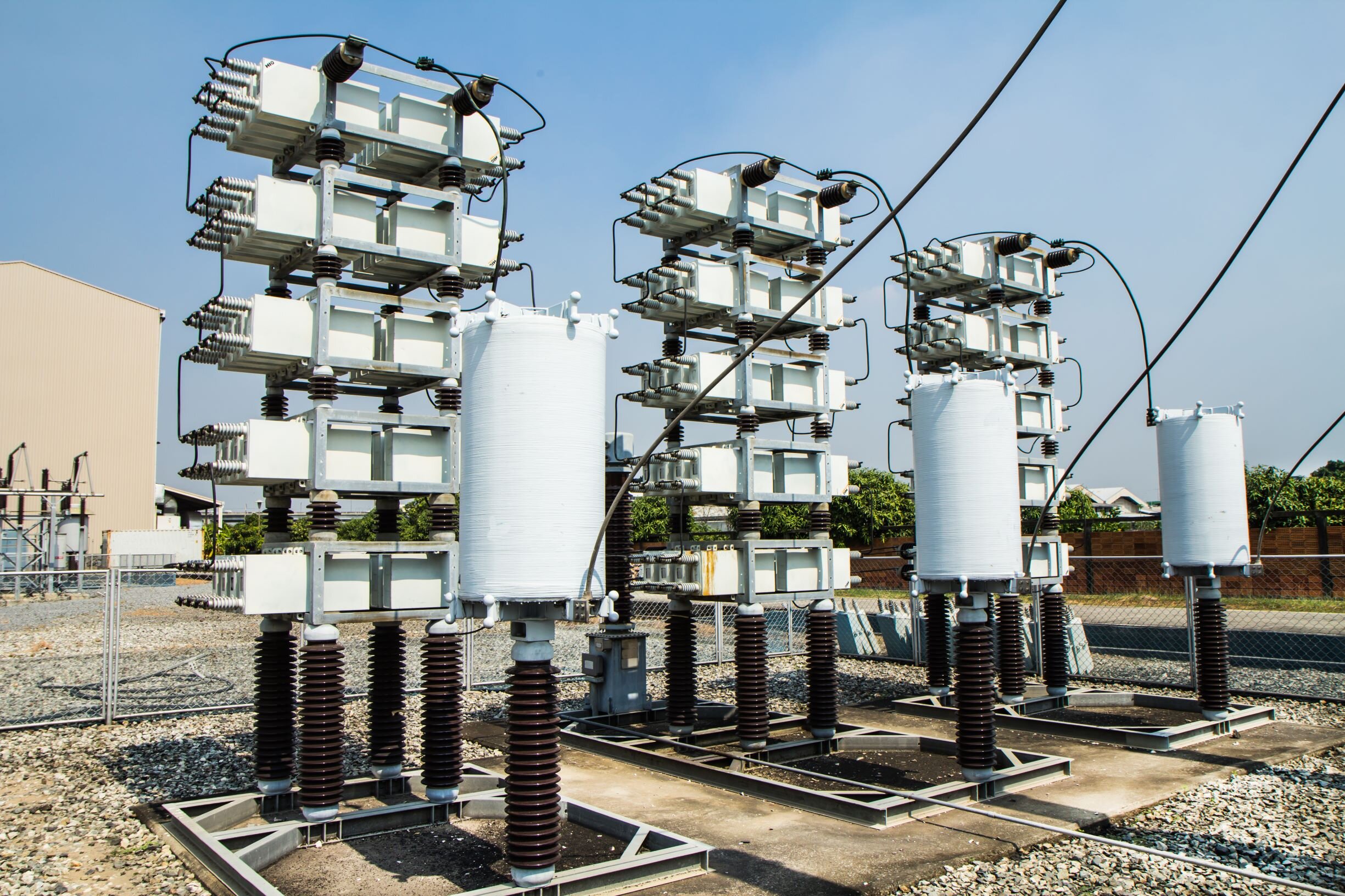
Improving the quality of your electrical power improves reliability and reduces electrical costs. Additionally, it will improve your own electrical distribution system and reduce the likelihood of your utility company penalizing you for a low “power factor”. The key to improving your electrical power is understanding the importance of the power factor.
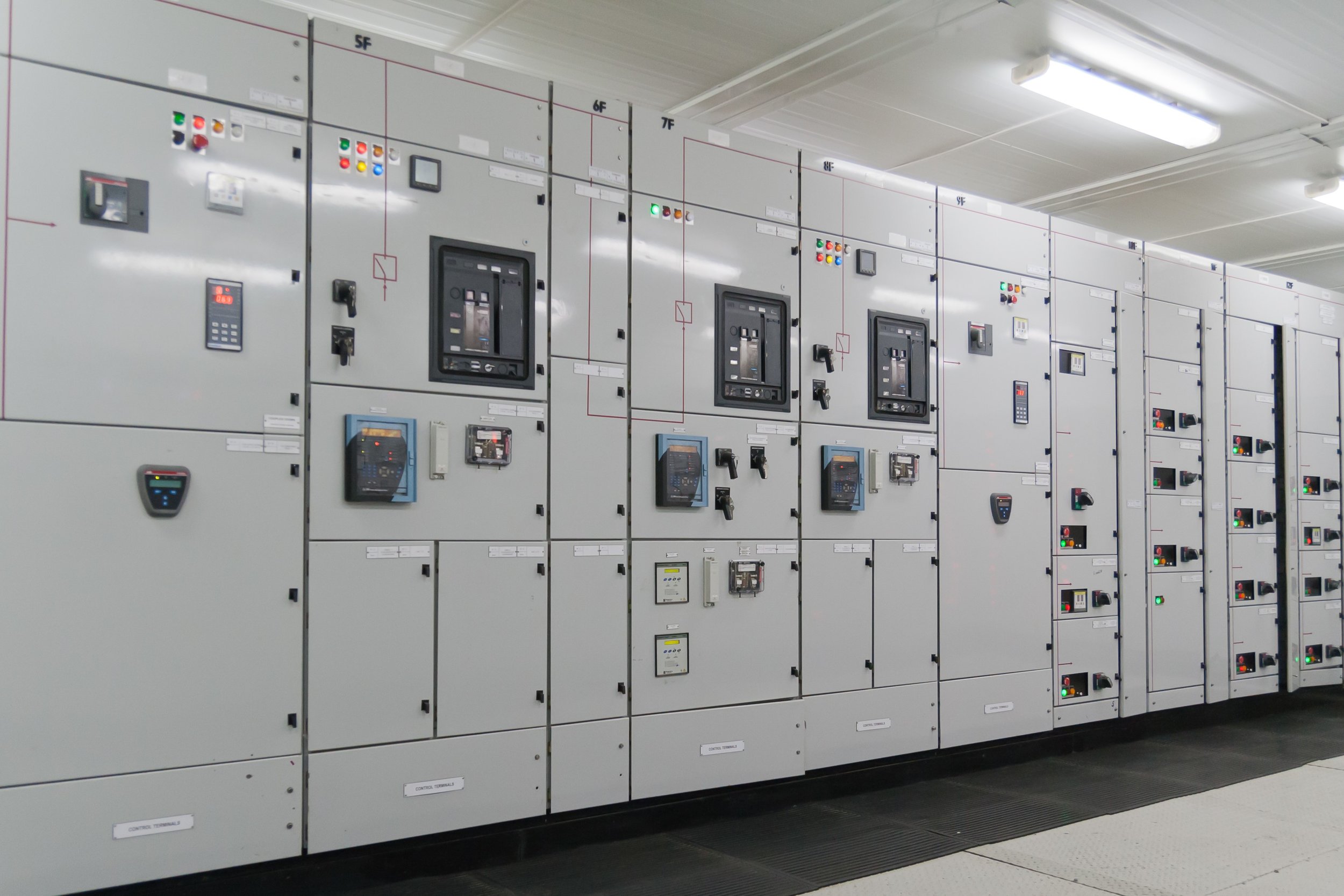
Industrial electrical distribution systems typically consist of switchgear lineups to distribute power to various loads. Switchgear lineups are vital to an industrial facility to maintain production, process, and revenue stream. Frequently, existing switchgear lineups at such facilities are deemed to be in good condition but lack many modern-day technologies that could be benefiting you. Instead of replacing the equipment to achieve benefits, you can retrofit and save up to 60% in capital costs. By performing retrofit services, the following enhancements can be established to achieve modern-day capabilities.

Electricity is a serious workplace hazard. Its use is essential, yet every year many workers suffer injury or death from accidents involving electrical equipment. Every company that relies on electricity requires a safety program to protect its employees from electrocution, arc flash, or other electrical hazards. OSHA recognizes electricity as a serious workplace hazard – just one serious workplace injury could outweigh the time and cost to develop a proper electrical safety program.
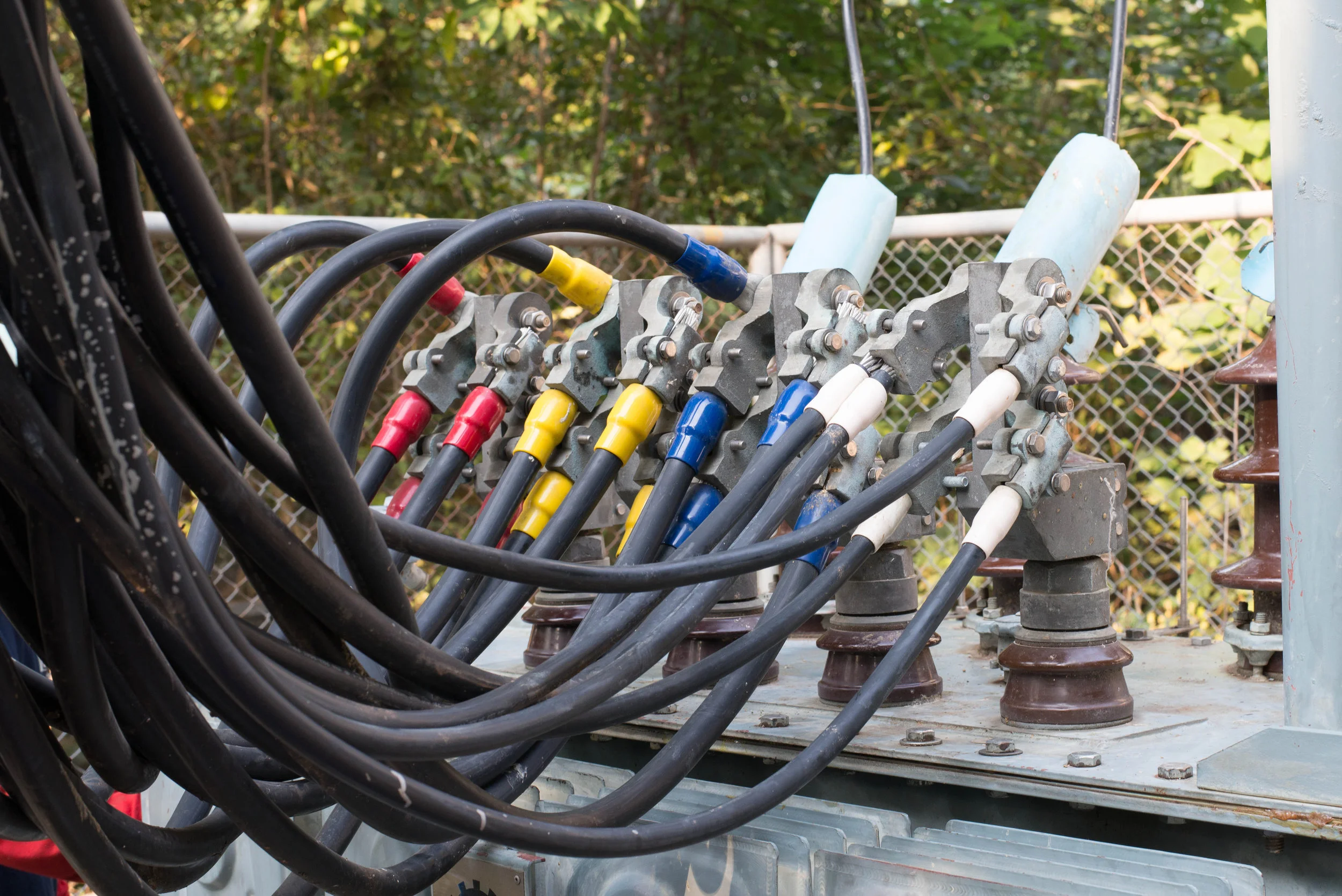
During construction projects, electrical contractors are often required to re-use existing medium and high voltage cables. Prior to re-use of existing in-service cables, it is important to properly test its insulation integrity to ensure satisfactory long-term performance. Consultation with both a master electrician and a professional engineer will determine the most appropriate test method, maintain cable integrity during testing, and achieve better analysis of the test results.

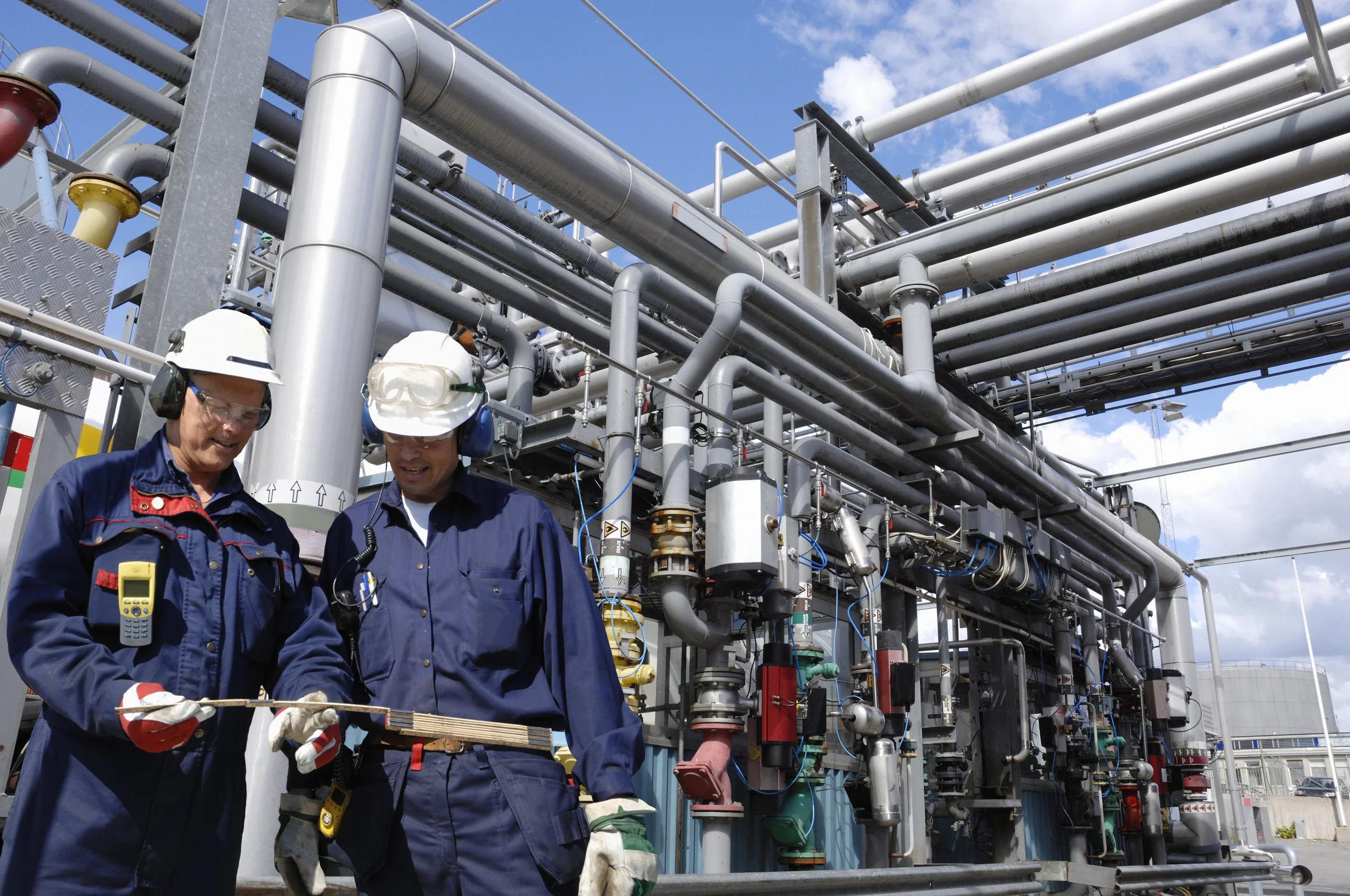
Designing electrical systems in hazardous locations, such as wastewater treatment facilities, aircraft hangars, fuel dispensing areas, and bulk storage areas, require careful attention to ensure the safety of personnel and equipment against fire and explosion. Within hazardous locations, a high concentration of flammable gases, vapors, liquids, and dust typically exist. An improperly designed electrical system can become the ignition source for this flammable atmosphere.

High voltage transmission and distribution substations are where incoming and outgoing power circuits meet to form an electrical grid. When properly designed, any fault on an electrical system can be localized to the fault location without the need for a total system shutdown. Selecting the proper bus scheme within a high voltage substation will allow circuit reliability to be maintained cost-efficiently.

Large power generators are often used to supply emergency power when the loss of utility power is not acceptable and can mean the difference between life and death. Using basic generator protection with a circuit breaker is simply inadequate and does not provide the full range of protection. To ensure system reliability, prevent equipment damage, and avoid unnecessary repair costs, you should protect your generator against many of the most common problems, a list of which follows with recommended solutions.

An arc flash event can expel large amounts of deadly energy in the form of excess heat, vaporized metal, explosive pressure, and intense sound waves. An arc flash occurs when an inadvertent low-impedance connection established through the air between energized phase conductors or with a ground conductor. Proper electrical system design and construction, using an active solution, can mitigate or virtually eliminate the hazards associated with arc flash.

In any electrical system, an electrical fault must be localized and tripped by the breaker closest to the fault. But what happens in the event of a stuck breaker? A stuck breaker condition occurs when a circuit breaker fails to operate upon receiving a trip signal. In a medium or high voltage system, the failure of a breaker to trip during a fault condition will seriously undermine the overall protection system, harm personnel, and damage equipment. A breaker failure can occur for a myriad of reasons including mechanical component stress, loss of control power, failure of the electric insulating medium, or an improper inhibit block signal.


Large industrial and commercial facilities consume sizable amounts of electricity for heating, cooling, and operations. By using a Combined Heat and Power (CHP) system, you can significantly reduce the facility’s electrical consumption. In addition, a CHP system can be made to operate as a backup source of power in the event of an electrical utility outage.
